
A small business needs 30 product photos for a campaign. The old way: rent a studio, hire a photographer and stylist, real money, plus a week of waiting. The new way: write a precise description, and the first visual appears in minutes. AI image generators shift visual production from a cost barrier to a question of how clearly you can describe your idea.
This shift isn't an outlier. According to Salesforce State of Marketing 2026, 87% of marketers now use generative AI in at least one workflow, and visual production is among the fastest-adopted.
What Is an AI Image Generator?
It uses models like Stable Diffusion to generate images from text descriptions (prompts). With hundreds of models and styles, output can be steered to match your brand identity, from realistic product shots to flat-design illustration.
Real Business Use Cases
- Catalog product visuals without a studio shoot
- On-brand, consistent social media illustrations
- Fast packaging mockups and promotional materials
- Backgrounds and graphic elements for digital ads
The Secret Is in the Prompt
90% of output quality is decided by prompt quality. Compare:
| Weak prompt | Strong prompt |
|---|---|
| "skincare product photo" | "serum skincare bottle on white marble, soft morning light, minimalist style, pastel palette, sharp focus, empty space for text" |
| Random, hard to use | Consistent, feed-ready for the brand |
Include three things: the subject (what), the style & mood (how it looks), and the usage context (what it's for). The more specific, the more on-brand the result.
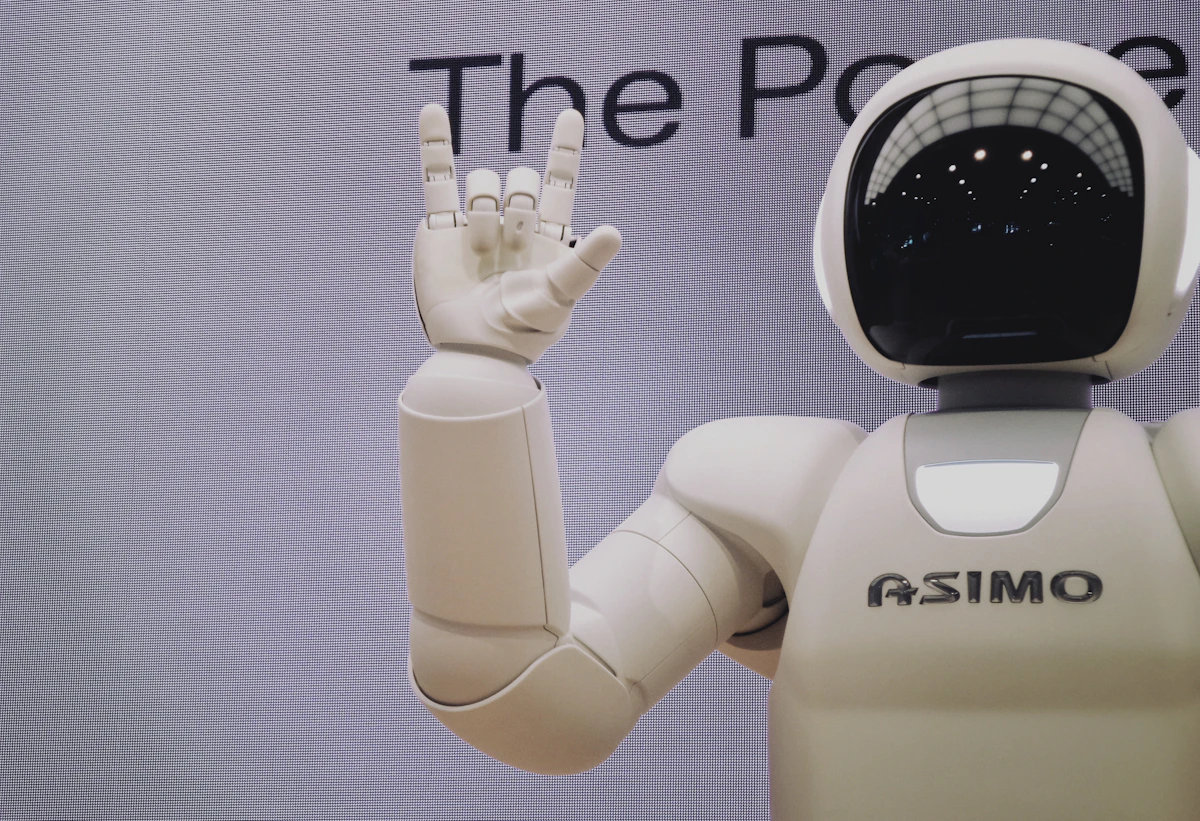
An honest note: AI speeds up execution, but it hasn't replaced a designer's eye. Always run outputs through brand review, check color consistency, avoid odd artifacts (fingers, garbled text), and make sure the vibe fits your local audience. AI generates options; a human picks what's worth publishing.
Building Visual Consistency Across Campaigns
The most common problem teams hit isn't the quality of a single image, it's keeping dozens of images for the same campaign visually consistent. The fix: save prompt templates that already work well, then change only the subject or context for each new variation. This is far faster than rewriting a prompt from scratch every time, and the results still feel like one visual family even when produced across different sessions.
Some tools also support reference images or fixed seeds, letting a brand's visual style be replicated consistently across images. This matters once a team expands AI use from a single campaign into a broader digital transformation effort, since a brand's visual identity shouldn't look inconsistent just because different tools were used along the way.
Copyright and Ethical Considerations
Before using an AI image generator commercially, make sure the team understands the licensing terms of the tool in use, some models allow full commercial use, while others carry restrictions around outputs that closely resemble copyrighted work or real people's likenesses. The biggest risk isn't internal brainstorming images, but images published widely as official campaign material.
A safe practice: avoid prompts that explicitly request a living artist's specific style, and always double-check any image headed for wide publication to confirm it doesn't closely resemble existing copyrighted work or a recognizable face that could create legal complications later.
Frequently Asked Questions
Can an AI image generator fully replace a product photographer? For most social media and fast promotional content, yes. But for product photography requiring very precise texture and physical detail, premium fashion items, for instance, a mix of real photography and AI-generated background variation tends to deliver the strongest results.
How do you keep AI image generator output consistent with an existing brand identity? Start by defining a fixed set of keywords that represent the brand's style, color palette, mood, lighting type, and include them in every prompt. Consistency comes from repeating these key elements, not from any particular tool.
How many variations should a team generate before picking a final image? A pattern used by experienced teams: generate 4-6 variations from the same prompt, then pick one or two that fit best, rather than expecting a single prompt to nail the perfect image on the first try. Variations are cheap to produce, so there's no reason to stop at the first attempt. Keep the variations that don't get used, too, an image that looks slightly off today may turn out to be exactly right for a different campaign down the line, turning an unused variation into a free visual asset instead of a wasted generation.
Integrating AI Visuals into the Team Workflow
The value of an AI image generator jumps once it's connected directly to the content calendar and existing brand guidelines, rather than sitting as a standalone tool used occasionally. For businesses that want visuals, copywriting, and campaign publishing running on one consistent system from day one, a platform like Plus The Site keeps brand identity tidy across every channel without the extra work of stitching together separate tools.
Conclusion
An AI image generator lets a small team produce output close to large-agency standards, at a fraction of the speed and cost. What separates ordinary from outstanding isn't the tool, but the clarity of your direction and the sharpness of the human curation behind it.